





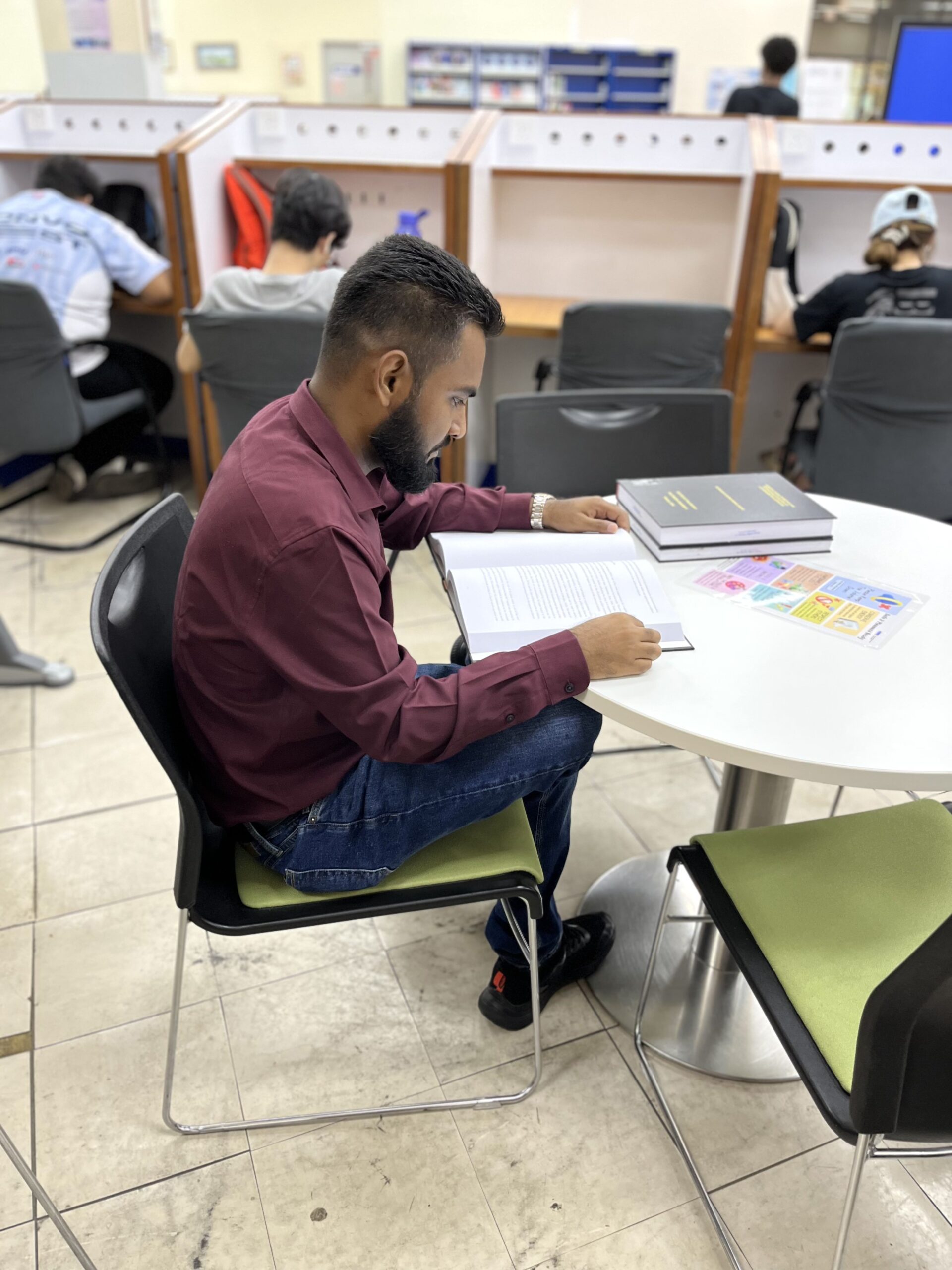
Ashraful Alam: Over the last decade, Malaysia has emerged as one of Asia’s most successful higher education destinations. Through strategic investments in education, world-class universities, modern infrastructure, and a welcoming multicultural environment, the country has positioned itself as a preferred choice for international students from across Asia, Africa, and the Middle East.
Among those choosing Malaysia in growing numbers are Bangladeshi students. Today, more Bangladeshis are enrolled in Malaysian universities than ever before, pursuing undergraduate, master’s, and doctoral degrees in fields ranging from engineering and information technology to business, communication, and health sciences.
This growing student population reflects confidence in Malaysia’s education system and its vision of becoming a global knowledge hub. However, as international competition for talented students intensifies, two policy areas deserve renewed attention: broader access to a Graduate Pass for international graduates and greater opportunities for regulated part-time employment during studies.
Graduate Pass: Investing in Talent Already Trained in Malaysia
Across the world, international education is increasingly viewed not only as an academic sector but also as a talent development ecosystem. Countries such as the United Kingdom, Australia, Canada, New Zealand, and Ireland have recognised that international graduates represent a valuable source of skilled human capital. As a result, they offer post-study work pathways that allow graduates to remain temporarily, gain professional experience, and contribute to the local economy.
Malaysia has already taken steps in this direction by providing post-study opportunities for certain categories of international graduates. However, many Bangladeshi students and graduates remain outside the scope of such opportunities. This is an issue worth reconsidering.
Every year, Malaysian universities produce thousands of international graduates who have spent years adapting to the country’s culture, education system, business environment, and social norms. They are familiar with local practices, possess internationally recognised qualifications, and often have multilingual capabilities that are increasingly valuable in a globalised economy.
Bangladeshi graduates have earned a reputation in many countries for being hardworking, adaptable, entrepreneurial, and quick learners. Many arrive in Malaysia with strong academic ambitions and a determination to build successful careers. Providing a structured Graduate Pass pathway would allow qualified graduates to contribute their knowledge and skills to Malaysia before eventually returning home or pursuing opportunities elsewhere.
Rather than viewing international graduates solely as students whose journey ends at graduation, policymakers may consider them as a pool of trained talent that has already invested years in understanding Malaysia and its economy. Such a policy could strengthen Malaysia’s competitiveness in attracting international students while also helping address demand for skilled professionals in selected sectors.
Part-Time Employment: A Tool for Skills Development
A second area that deserves attention is part-time employment for international students. In many leading education destinations, part-time work is not simply regarded as a source of income. It is considered an extension of the learning process, allowing students to gain workplace experience, improve communication skills, understand professional culture, and develop practical competencies alongside their academic studies.
For many international students in Malaysia, particularly those enrolled in master’s and PhD programmes, academic schedules are often flexible. Research-based postgraduate programmes typically involve independent research, data collection, fieldwork, publication writing, and thesis preparation rather than daily classroom attendance. Undergraduate students, meanwhile, are often eager to gain exposure to real-world working environments that complement their academic learning.
A carefully regulated framework allowing broader access to part-time employment could create benefits for multiple stakeholders. Students would gain valuable professional experience and reduce financial pressure. Employers would gain access to educated, multilingual, and internationally diverse talent. The broader economy could benefit from increased productivity and stronger links between education and industry. Importantly, regulated employment opportunities can also encourage compliance and transparency while helping students integrate more effectively into society.
The global higher education landscape is changing rapidly. Academic quality remains important, but students increasingly evaluate destination countries based on a wider set of factors, including graduate employability, post-study work opportunities, industry exposure, and overall student experience. Malaysia has already established itself as one of Southeast Asia’s leading education hubs. Yet countries across the region and beyond are competing aggressively for the same pool of talented international students.
Introducing broader Graduate Pass opportunities and expanding regulated part-time employment options would send a powerful message: that Malaysia not only welcomes international students but also recognises their potential contribution to the nation’s future.
International students are more than temporary residents in university classrooms. They are future researchers, entrepreneurs, engineers, educators, innovators, and business leaders. They become lifelong ambassadors for the countries where they study, helping strengthen economic, educational, and cultural ties long after graduation.
For Malaysia, the question is not whether international students can contribute. They already do through tuition fees, living expenses, cultural exchange, and academic achievement. The greater opportunity may lie in enabling them to contribute even more through their skills, knowledge, and professional potential. As Malaysia continues its journey toward becoming a world-class education destination, creating pathways that better connect education with employment could prove beneficial not only for international students, but also for Malaysian universities, industries, and the national economy itself.
The writer is a PhD researcher at Multimedia University (MMU), Malaysia, and a Content Creator, “Go with Ashraful Alam”. The views expressed are personal.